
Choosing the Right Siding Replacement Solutions

Replacing siding is a significant decision for any property owner. It affects the look, durability, and value of a home or commercial building. When I first faced this choice, I realized how many factors come into play. From material types to climate considerations, the options can feel overwhelming. This guide will walk you through the key points to consider when selecting siding replacement solutions. My goal is to help you make a clear, confident choice that fits your needs and budget.
Understanding Siding Replacement Solutions
Siding replacement solutions vary widely in materials, costs, and maintenance requirements. Knowing the differences helps you avoid costly mistakes. The right siding protects your building from weather, improves energy efficiency, and enhances curb appeal.
Here are some common siding materials to consider:
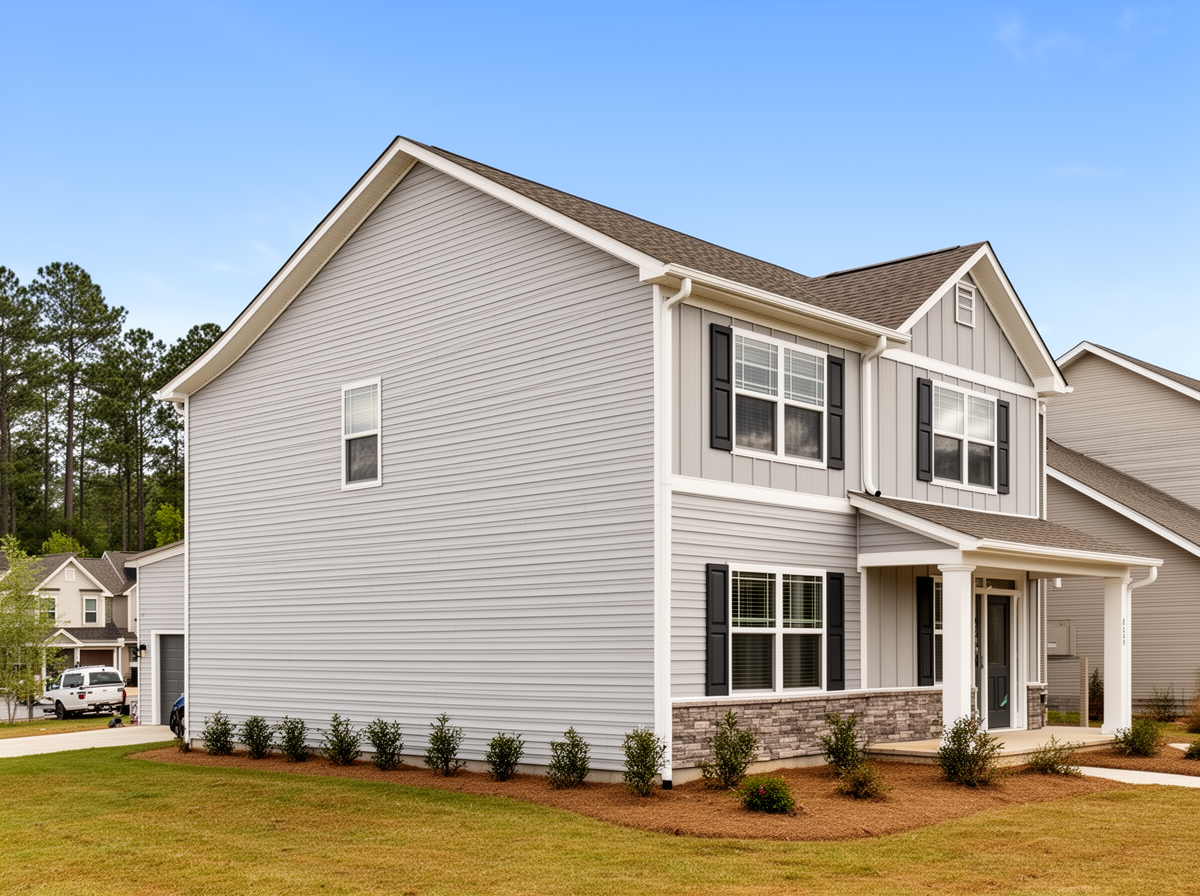
Vinyl Siding: Affordable, low maintenance, and available in many colors. It resists moisture and insects but can crack in extreme cold.
Fiber Cement Siding: Durable and fire-resistant. It mimics wood but requires painting and occasional upkeep.
Wood Siding: Offers natural beauty and insulation but needs regular maintenance to prevent rot and insect damage.
Metal Siding: Long-lasting and resistant to fire and pests. It can dent and may require repainting.
Stucco: Popular in warmer climates, stucco provides a seamless look but can crack if the foundation shifts.
Engineered Wood: Combines wood fibers and resins for durability and easier maintenance than natural wood.
Each option has pros and cons. Your choice depends on your climate, budget, and aesthetic preferences.

Factors to Consider When Choosing Siding Replacement Solutions
When selecting siding replacement solutions, several factors should guide your decision:
Climate and Weather Resistance
In the Southeast, humidity, heat, and occasional storms are common. Choose siding that withstands moisture and resists mold and mildew. Fiber cement and vinyl are good options here. Wood siding may require more upkeep due to the climate.
Durability and Maintenance
Consider how much time and money you want to spend on maintenance. Vinyl and metal siding require less upkeep than wood or stucco. Fiber cement offers a balance but needs repainting every 10-15 years.
Energy Efficiency
Siding can improve your building’s insulation. Some materials, like insulated vinyl siding, add an extra layer of protection against heat loss or gain. This can reduce energy bills, especially in regions with hot summers.
Cost and Budget
Initial cost and long-term expenses matter. Vinyl siding is usually the most budget-friendly upfront. Fiber cement and engineered wood cost more but may last longer. Factor in installation and maintenance costs.
Aesthetic Appeal
Your siding should complement your building’s style. Wood offers a classic look, while metal and fiber cement can mimic modern or traditional designs. Color options vary widely, especially with vinyl.
Environmental Impact
If sustainability is important, consider materials with recycled content or those that are recyclable. Fiber cement and engineered wood often have better environmental profiles than vinyl.
What Siding to Avoid in a House Exterior?
Not all siding materials are suitable for every home or climate. Some options may cause more problems than benefits.
Asbestos Siding
Older homes may have asbestos siding, which is hazardous and should be removed by professionals. Avoid any siding containing asbestos due to health risks.
Aluminum Siding
While once popular, aluminum siding dents easily and can fade over time. It also conducts heat, which may reduce energy efficiency in hot climates.
Low-Quality Vinyl
Cheap vinyl siding can crack, warp, or fade quickly. It may also be less resistant to impact and weather damage. Always choose high-quality vinyl from reputable suppliers.
Non-Insulated Siding in Extreme Climates
Siding without insulation can lead to higher energy bills and less comfort. Avoid non-insulated options if you want better temperature control.
Poorly Installed Siding
Even the best materials fail if installed incorrectly. Avoid contractors who rush or cut corners. Proper installation is critical for siding performance.

How to Choose the Best Siding Replacement Options for Your Project
Choosing the best siding replacement options requires a clear plan and research. Here are steps I recommend:
Assess Your Current Siding
Identify the condition of your existing siding. Look for damage, rot, or mold. This helps determine if you need a full replacement or repairs.
Set Your Budget
Decide how much you can spend upfront and on maintenance. Include installation costs and potential future repairs.
Research Materials
Compare siding types based on durability, maintenance, and appearance. Request samples to see colors and textures in person.
Consider Local Climate
Choose siding that performs well in your region’s weather conditions. For the Southeast, moisture resistance is key.
Check Building Codes and HOA Rules
Some areas have restrictions on siding materials or colors. Verify before purchasing.
Hire a Qualified Contractor
Look for experienced siding installers with good reviews. Proper installation ensures your siding lasts.
Request Warranties
Good siding comes with manufacturer and installation warranties. Understand what is covered.
Plan for Maintenance
Know what upkeep your siding requires and factor that into your decision.
By following these steps, you can confidently select siding that fits your needs and enhances your property.
Benefits of Professional Siding Installation
Professional installation is crucial for siding performance. I have seen projects where poor installation led to leaks, warping, and early failure. Here are benefits of hiring experts:
Proper Sealing and Weatherproofing
Professionals ensure siding is sealed against moisture and wind.
Correct Fastening
They use the right nails and techniques to prevent damage.
Efficient Work
Experienced crews complete the job faster and cleaner.
Warranty Protection
Many warranties require professional installation to remain valid.
Expert Advice
Contractors can recommend the best siding for your specific needs.
Investing in professional installation protects your siding investment and peace of mind.
Choosing the right siding replacement solutions is a critical step in maintaining and improving your property. By understanding your options and considering your climate, budget, and style, you can make a smart choice. Remember to research thoroughly and hire qualified professionals to ensure your siding lasts for years to come.
For more detailed information on siding replacement options, visit the Arango Siding website. They specialize in quality siding projects across Georgia and the Southeast, offering reliable expertise for both residential and commercial needs.


Comments